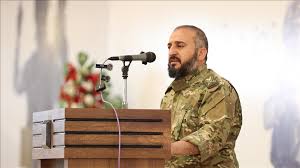
 Syria’s Defense Minister Murhaf Abu Qasra announced a ceasefire on Tuesday after deadly sectarian violence erupted in the southern province of Sweida, leaving over 130 dead. The announcement came as Syrian government forces entered Sweida city to quell escalating clashes between Sunni Bedouin tribes and Druze militias. The violence, which began with a series of retaliatory kidnappings and attacks, spiraled into open conflict on Monday. Government troops deployed to restore order faced stiff resistance from local Druze armed groups. Israel, closely monitoring the situation, launched targeted strikes in the region. Prime Minister Benjamin Netanyahu and Defense Minister Israel Katz said the strikes aimed to protect the Druze minority and prevent militarization near Israel’s borders. The Syrian Observatory for Human Rights reported that Israeli drones struck a Syrian tank and an armored convoy. At least one Syrian Interior Ministry officer was injured in the strike. While Syria’s state media confirmed Israeli airstrikes, it did not release specifics. The war monitor reported that 135 people were killed in just 48 hours, including women and children. Shockingly, 19 were said to be executed by government forces inside a rest house in Sweida. The Syrian government has yet to respond to these accusations. In a bid to calm tensions, some Druze religious leaders initially urged local factions to surrender arms and cooperate with authorities. However, prominent spiritual leader Sheikh Hikmat Al-Hijri later retracted the statement, accusing the government of betrayal and indiscriminate attacks. “We are being subjected to a total war of annihilation,” he said in a video message, though he provided no proof. Videos circulating online show Druze fighters holding Sunni captives while chanting sectarian slogans, further fuelling fears of broader communal conflict. The Druze sect, a centuries-old offshoot of Shiite Islam, is predominantly located in Syria, with significant populations in Israel and Lebanon. Tensions between the community and the government have intensified since the fall of Bashar al-Assad last year, with recurring violence between pro-government forces and Druze militias. Israel, which occupies the Golan Heights seized from Syria in 1967, has grown increasingly wary of Syria’s new leadership and has intensified its military presence in border areas. The current unrest adds to a series of deadly sectarian flare-ups in recent months. In March, an attack on Assad loyalists led to retaliatory killings of minority Alawites. Despite promises of investigations, no findings have been released. The ceasefire offers a fragile hope of stability, but with deep mistrust, foreign strikes, and sectarian divisions, lasting peace in southern Syria remains uncertain.

News Today | First with the news
News Today | First with the news
