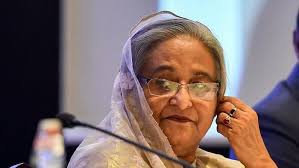
 Bangladesh’s International Crimes Tribunal on Sunday indicted former prime minister Sheikh Hasina and two others on several charges, including mass murder, for their alleged role in the violent crackdown on student-led protests last year. Sunday’s proceedings marked the start of Hasina’s trial in absentia nearly 10 months after the ouster of her government following the protests. “We do hereby take into cognizance the charges,” the three-judge ICT bench said after a prosecution team formally accused them of attempting to tame the protests using brutal force. The tribunal simultaneously issued a fresh arrest warrant against Hasina and then home minister Asaduzzaman Khan Kamal. The third accused, the then inspector general of police Chowdhury Abdullah Al-Mamun, is in custody to stand trial in person. The prosecution charged Hasina with exercising absolute authority to ruthlessly suppress the uprising. The two others were accused of provocation, complicity, abatement, instigation and facilitation. All three were accused of superior command responsibility for the crimes. Chief Prosecutor Tajul Islam urged the court to treat the Awami League as a criminal organisation since the crimes were committed on a partisan basis. Under the ICT-BD law, if convicted, Hasina and the co-accused could face the death penalty. The proceedings of the tribunal were broadcast live on television for the first time in Bangladesh’s history. The proceedings were scheduled to begin at 9.30 am but were slightly delayed as unidentified people hurled three crude bombs at the gate of the tribunal hours before the beginning of the trial. Police said two of the bombs exploded while the third was defused while they were trying to identify and arrest the miscreants, examining CCTV footage. Ousted on August 5 last year after the agitation, Hasina faces multiple cases in Bangladesh. The ICT-BD earlier issued an arrest warrant against Hasina while the interim government sought her

News Today | First with the news
News Today | First with the news
