
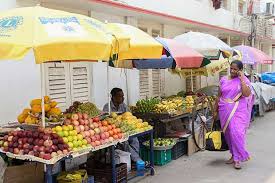
 In recent months, Chennai’s early morning streets have witnessed a notable increase in roadside vendors selling porridge, locally known as “kanji.” This traditional South Indian dish, often made from rice, millets, or lentils, has become a popular choice among morning walkers and health-conscious individuals seeking a nutritious start to their day.
The appeal of these porridge stalls lies in their convenience and the perceived health benefits of the offerings. Millet-based porridges, in particular, are rich in fiber, vitamins, and minerals, making them a wholesome option for breakfast. Many Chennai residents appreciate the affordability and accessibility of these stalls, which cater to the city’s bustling morning crowd.
However, health experts and food safety officials have raised concerns regarding the hygiene practices of some street food vendors. Studies indicate that while a significant number of vendors possess basic knowledge of food safety, consistent implementation of hygienic practices remains a challenge. Issues such as the use of unsafe water sources, exposure to pests, and inadequate storage conditions have been identified as potential health risks associated with street food consumption.
To address these concerns, the Food Safety and Standards Authority of India (FSSAI) has initiated training programs aimed at educating street food vendors on proper hygiene and food handling practices. Local authorities are also conducting regular inspections to ensure compliance with food safety regulations.
For consumers, it’s advisable to choose vendors who maintain cleanliness, use covered containers, and serve food with appropriate utensils. While the resurgence of traditional foods like kanji is a positive development, both vendors and consumers must prioritize hygiene to ensure that this healthful trend doesn’t inadvertently lead to health issues.
As Chennai continues to embrace its rich culinary heritage, balancing tradition with modern food safety practices will be key to sustaining the city’s vibrant street food culture.
