
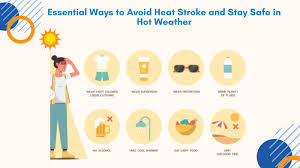
 As the peak summer season sets in, stepping out without any protection can put our health at serious risk. The intense heat not only causes discomfort but also brings with it a range of seasonal ailments. Taking the right precautions during this time is crucial to safeguard ourselves from these health concerns.
One of the most serious summer-related conditions is heatstroke. Prolonged exposure to high temperatures can lead to symptoms such as dizziness, fever, nausea, and fatigue. When the body is unable to cool down, it becomes essential to stay hydrated and avoid going out during peak heat hours.
Food poisoning is another common issue during summer. High temperatures can cause food to spoil quickly, especially if it is not stored properly. Eating contaminated food may lead to diarrhoea, vomiting, or stomach cramps. To prevent this, always consume freshly prepared meals and ensure that fruits and vegetables are washed thoroughly before eating.
Dehydration occurs frequently in summer as we tend to sweat more, losing water and essential minerals. This may result in tiredness, dry mouth, and dizziness. To combat dehydration, it’s important to drink 8 to 10 glasses of water every day and replenish electrolytes as needed.
Direct exposure to the sun can also cause sunburns, which lead to redness, skin irritation, and sometimes peeling. To avoid sunburns, it’s advisable to apply sunscreen regularly and wear protective clothing, such as long-sleeved shirts and hats, when going outside.
Waterborne illnesses like cholera, typhoid, and diarrhoea are more prevalent in summer due to the risk of contaminated water. Drinking only boiled or filtered water can significantly reduce the chance of falling ill from such infections.
Eye infections such as conjunctivitis, also known as Madras eye, become more common in summer due to heat and poor hygiene. This condition leads to redness, swelling, and irritation in the eyes. Refraining from touching the eyes with unclean hands and wearing sunglasses when outdoors can help prevent infection.
Urinary tract infections (UTIs) are also more likely in the hotter months, largely due to increased sweating and inadequate water intake. Symptoms include frequent urges to urinate, a burning sensation, and foul-smelling urine. Staying well-hydrated and maintaining personal hygiene are effective ways to prevent UTIs.
Finally, dust and pollen allergies tend to flare up in summer. Individuals with respiratory conditions like asthma must be especially cautious. Avoiding dusty environments and wearing a face mask can help minimize exposure to allergens.
In conclusion, while summer can be enjoyable, it also demands extra care and caution. By staying hydrated, eating fresh food, protecting ourselves from the sun, and maintaining good hygiene, we can keep most summer-related health issues at bay and enjoy the season safely.
