
Amid towering expectations, Viduthalai Part 2, directed by the masterful Vetrimaaran, finally arrives in theaters worldwide, promising an intense continuation of its predecessor’s compelling narrative. The film delves deep into themes of revolution, oppression, and societal inequalities. But does it deliver on its promise? Let’s find out.
The narrative picks up with Perumal (Vijay Sethupathi), a revolutionary leader, captured by the police under clandestine circumstances. However, news of his detention ignites unrest among his loyal followers. To avoid further chaos, the authorities attempt to move Perumal through the dense forests. What unfolds next is a gripping game of survival as Perumal’s fate oscillates between surrender, escape, and a climactic reckoning.
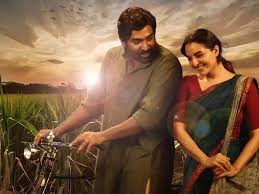
Vijay Sethupathi breathes life into Perumal, embodying the essence of a man torn between ideology and survival. His character arc, from an innocuous school teaser to a fervent believer in communism, is both convincing and impactful. Vijay Sethupathi’s nuanced portrayal is matched by the understated brilliance of Manju Warrier, whose restrained yet powerful performance adds emotional depth to the narrative. Their on-screen chemistry lends authenticity to key moments.
The genius of Vetrimaaran shines in his exploration of the darker underbelly of law enforcement and the unrelenting struggles of marginalized communities. The film’s unflinching realism draws viewers into a world fraught with tension and despair, delivering hard-hitting social commentary that lingers long after the credits roll.
The first half sets a gripping tone with meticulously crafted action sequences that are grounded and visceral. The oppressive atmosphere is palpably conveyed, immersing the audience in the harrowing plight of the oppressed. Supporting performances from Rajiv Menon, Gautam Vasudev Menon, and Chetan add layers to the story, while thought-provoking dialogues leave an indelible mark.
While the first half engages with its taut storytelling, the second half falters under the weight of its ambition. Extended flashback sequences, particularly those exploring Perumal’s backstory, feel needlessly prolonged, sapping the narrative of its momentum.
Though the film’s commentary on communism and social justice is profound, its execution occasionally leans towards being overly didactic. The dialogues, while plenty and powerful, sometimes border on lecturing, which detracts from the emotional resonance of the story.
The sidelining of Soori’s character, who was central to Viduthalai Part 1, is a glaring oversight. The shift in focus to Perumal’s journey feels abrupt, leaving the continuity of the two-part narrative somewhat disjointed.
The extended forest shootout and repetitive confrontations in the second half contribute to pacing issues. A tighter edit could have amplified the film’s impact significantly.
The cinematography by Velraj captures the haunting beauty of the forest and the stark realities of the oppressed with equal finesse. The music by Ilayaraja while complementing the film’s tone, doesn’t quite elevate the emotional stakes.
Viduthalai Part 2 is an ambitious and thought-provoking film that continues Vetrimaaran’s tradition of tackling complex societal issues with unflinching honesty. While the performances and thematic depth are commendable, the uneven execution and overstretched second half hold it back from achieving greatness.
For those drawn to narratives that dare to challenge the status quo, Viduthalai Part 2 is a compelling watch – albeit one that demands patience and endurance.
