
 M Bharat Kumar
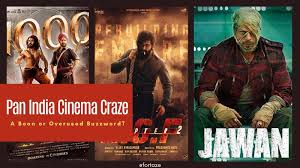
In recent years, the term “pan-India films” has taken center stage in the Tamil film industry. Big-budget productions like Indian 2, starring Kamal Haasan, and Thangalaan with Vikram, were released amidst tremendous expectations, banking on star power and wide-ranging promotions. However, despite the initial hype, their tepid performance at the box office has sparked a larger conversation within the industry about the sustainability of pan-India ventures.
While fans eagerly await Suriya’s highly anticipated Kanguva, which is being touted as a pan-India release, an interesting trend is emerging: small-budget films are making a big impact. Films like Vijay Sethupathi’s Maharaja, Karthi’s Meyyazhagan, and Lubber Pandhu, featuring Harish Kalyan and Dinesh, have struck gold at the box office. With their modest production costs and minimal marketing compared to their pan-Indian counterparts, these movies have proven that gripping content and positive word-of-mouth can outweigh the glitz and glamour of high-budget blockbusters.
Perhaps one of the best examples of this is Mari Selvaraj’s Vaazhi. This relatively small film garnered exceptional box office numbers, standing as a testament to Tamil audiences’ growing preference for content-driven cinema. The remarkable success of these films raises an important question: are extravagant budgets and all-encompassing pan-India strategies necessary for success in today’s market?
Film critic Ramesh observes, “The Tamil audience has evolved. Big stars and large canvases no longer guarantee a hit. Audiences now seek stories that resonate emotionally and reflect their realities. Films like Maharaja and Vaazhi show that if the content is strong, you don’t need nationwide marketing to make an impact.”
A seasoned producer, preferring anonymity, shares his insight: “A pan-India film demands a massive investment—stars from multiple industries, promotions across the country, and a big marketing budget. But if the content doesn’t live up to the scale, it becomes a huge financial risk. On the other hand, smaller films with relatable themes and strong performances connect with the audience on a personal level, and that’s proving to be far more effective.”
Recent disappointments like Thangalaan and GOAT, both of which boasted large casts and pan-India aspirations, only reinforce this changing dynamic. Despite their grandeur, these films struggled to live up to expectations at the box office. In contrast, well-crafted small films with compelling narratives and relatable characters are rapidly becoming audience favorites.
As Kollywood grapples with this shift, it is becoming evident that content is king, and substance is taking precedence over star power and spectacle. This evolving landscape suggests a brighter future for smaller, content-rich films in Tamil cinema, while big-budget pan-India ventures may have to reconsider their approach.
Kollywood’s lesson from this trend is clear: audiences are gravitating toward authenticity, and the path to box-office success might just be through the heart, rather than the wallet.
