
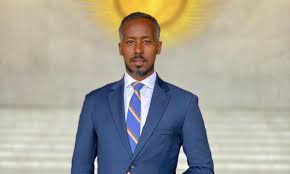
 Mogadishu, Aug 1: In a troubling escalation of press freedom violations, Somali authorities have arrested journalist AliNur Salaad for his critical reporting on drug use within the military. Salaad’s detention, following his publication of a video alleging that soldiers’ use of the narcotic khat made them vulnerable to al-Shabaab attacks, highlights a growing trend of repression against independent media in Somalia.
Angela Quintal, head of the African program at the Committee to Protect Journalists, urged Somali authorities to release Salaad and allow media professionals to operate without fear of reprisal. “Somalia must end its practice of harassing and arbitrarily detaining journalists,” Quintal said.
Recent weeks have seen a series of similar incidents. Mohamed Salah has been threatened and charged with spreading “false and misleading information” related to aid organization licenses in Puntland. Said Abdullahi Kulmiye was arrested for reporting on police corruption, and Abdulkadir Isse faced barriers after investigating government corruption.
In May, Sharma’arke Abdi Mahdi and Abdinur Hayi Hashi reported being shot at by police while covering local administrative failures.
Salaad was granted bail after five days in detention, though no hearing date has been set. Abdalle Ahmed Mumin, Secretary General of the Somali Journalists Syndicate (SJS), criticized the ongoing repression, noting that it stifles critical reporting and instills widespread fear among journalists.
Mumin, who was imprisoned in 2023 for opposing legislation seen as threatening free speech, emphasized the detrimental impact of such detentions. “Detention and drawn-out proceedings inhibit all journalists,” he said. “It sends a chilling message to others, fostering fear and self-censorship.”
The SJS has faced additional pressure, with its bank accounts frozen earlier this year following accusations of defamation and improper registration. This move, according to Mumin, was an attempt to intimidate and silence the organization.
Human Rights Watch’s Laetitia Bader condemned the pattern of using criminal charges to suppress media. “The tendency to prevent reporting on controversial or sensitive issues has made it difficult for journalists to address matters of public interest,” Bader said.
The Somali government has not yet responded to requests for comment regarding these developments.
