
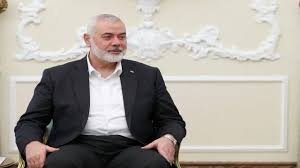
 Tehran, Aug 1: In a dramatic escalation of regional tensions, Ismail Haniyeh, the prominent political leader of Hamas, was killed in an airstrike on Tehran, Iran, early Wednesday morning. This strike took place in the Iranian capital’s residential area and came just hours after Israel announced the killing of Fuad Shukur, a top Hezbollah commander, in an airstrike on a southern suburb of Beirut, Lebanon.
The simultaneous assassinations have amplified fears of a broader regional conflict, drawing sharp condemnations and promises of retaliation from various parties. Iran, a major supporter of both Hamas and Hezbollah, has vowed revenge, calling the attack on Haniyeh—a prominent figure who had traveled to Tehran for the inauguration of President Masoud Pezeshkian—a “cowardly act.”
Iran’s Supreme Leader, Ayatollah Ali Khamenei, emphasized that the attack in Tehran would be met with “a duty to seek revenge,” while President Pezeshkian pledged to defend Iran’s sovereignty and make “terrorist occupiers” regret their actions.
The U.S. Secretary of Defense, Lloyd Austin, while urging de-escalation, indicated that the Biden administration would support Israel if it faced retaliation. Despite ongoing diplomatic efforts led by the U.S. to prevent the Gaza conflict from escalating, the recent violence poses significant challenges to these efforts.
The killing of Haniyeh, a key figure in Hamas who had been in exile since 2019, follows Israel’s vow to target all Hamas leaders after the October 7 attacks that resulted in significant casualties. Despite his exile, Haniyeh remained influential in Hamas’s political and diplomatic efforts, and his death is expected to have significant ramifications for the group and the broader conflict.
The recent strikes have led to widespread regional condemnation. Qatar and Egypt, who had been mediating ceasefire negotiations, warned that Haniyeh’s assassination would likely derail peace talks and hinder efforts to release hostages. The Palestinian Authority has called the act a “cowardly” and “dangerous” escalation, prompting calls for a general strike and mass protests in Ramallah, West Bank.
In Beirut, the killing of Hezbollah’s Fuad Shukur, reportedly in retaliation for a recent rocket attack that killed 12 children, has shocked Lebanese officials. Lebanon’s Foreign Minister Abdallah Bou Habib expressed concerns over the breach of what was perceived as red lines in the ongoing conflict.
The broader implications of these targeted killings, combined with ongoing violence in Gaza where nearly 40,000 Palestinians have been killed since October 8, suggest a deepening crisis with potentially severe consequences for regional stability.
As the situation evolves, the international community remains on high alert, with global diplomatic efforts intensifying to manage the fallout and prevent further escalation of the conflict.
