
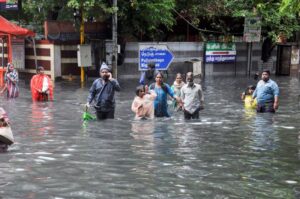
Chennai is currently grappling with a critical issue that threatens its urban landscape – waterlogging in lake areas. The burgeoning construction of housing plots and apartments in places like Mudichur, Varadarajapuram, Pallikkaranai, and Velacheri has raised serious concerns about the city’s vulnerability during periods of heavy rainfall.
Urban Expansion and the Lake Dilemma
As the city’s population continues to grow, the demand for housing has led to rapid urban expansion, encroaching upon natural water bodies. Areas surrounding lakes have witnessed a surge in residential development, with housing plots and apartments mushrooming in close proximity to these vital water sources.
Permission to Build in Lake Areas
One pressing question is how these construction projects in vulnerable lake areas received permission in the first place. The approval process for such developments often involves a complex interplay of urban planning regulations, environmental impact assessments, and local governance decisions. However, the consequences of these choices are becoming increasingly evident as the city faces recurring waterlogging issues.
Unraveling the Causes of Waterlogging
The construction boom in lake areas exacerbates the risk of waterlogging during the monsoon season. Natural water bodies serve as crucial drainage systems, absorbing excess rainwater and preventing flooding. However, the encroachment of housing and infrastructure impedes the natural flow of water, leading to waterlogging in both the newly constructed areas and the surrounding neighbourhoods.
Calls for Immediate Action
The adverse effects of waterlogging on residents, businesses, and the overall urban ecosystem cannot be understated. Urgent calls for action are resonating across Chennai as citizens demand accountability from both the builders and the authorities responsible for permitting construction in these vulnerable zones.
Need for Comprehensive Solutions
Addressing the issue requires a multifaceted approach. The government must reevaluate urban planning policies, ensuring that construction in lake areas aligns with sustainable development practices. Rigorous environmental impact assessments should be conducted before granting permissions for projects near water bodies.
Long-term Planning and Conservation
To safeguard against future waterlogging, long-term planning must prioritise the preservation and restoration of natural water bodies. Efforts to maintain the ecological balance of lakes and their surrounding areas should be coupled with community awareness campaigns to foster a sense of responsibility among residents.
