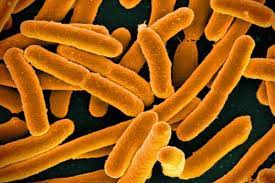
 Bacteria can create memories about when to form strategies that can cause dangerous infections in people, such as resistance to antibiotics, a study has found. Researchers at the University of Texas at Austin (UT) in the US said these strategies also help bacteria to form swarms when millions of these microorganisms come together on a single surface. The finding, published in the journal Proceedings of the National Academy of Sciences, has potential applications for preventing and combatting bacterial infections and addressing antibiotic-resistant bacteria. The discovery relates to a common chemical element bacterial cells can use to form and pass along these memories to their progeny over later generations, the researchers said. They found that E. coli bacteria use iron levels as a way to store information about different behaviours that can then be activated in response to certain stimuli. “Bacteria don’t have brains, but they can gather information from their environment, and if they have encountered that environment frequently, they can store that information and quickly access it later for their benefit,” said Souvik Bhattacharyya, the lead author and a provost early career fellow at UT.

News Today | First with the news
News Today | First with the news
