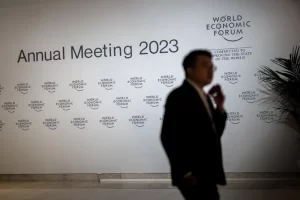
 About two-thirds of private and public sector chief economists in a World Economic Forum survey have said a global recession is likely in 2023 with almost 18 per cent saying it is “extremely likely”. “Almost two-thirds of respondents consider a global recession to be likely in 2023, including 18 per cent who consider it extremely likely, more than twice as many as in the previous survey in September 2022,” said ‘The January 2023 Chief Economists Outlook’ by the World Economic Forum’s Centre for the New Economy and Society. However, views are divergent, with a third of respondents considering a global recession to be unlikely this year. The survey aims to summarise the emerging contours of the current economic environment and identify priorities for further action by policymakers and business leaders in response to the compounding shocks to the global economy from geo-economic and geopolitical events. The survey was conducted November-December 2022. Regionally, the situation in Europe and the US is now stark, with 100 per cent of chief economists expecting weak or very weak growth for 2023 in the former and 91 per cent in the latter, the survey said. War and international tensions continue to shape global economic developments, and every respondent viewed it as likely, with 73 per cent saying somewhat and 27 per cent saying extremely, that patterns of economic activity will continue to shift around the world in line with new geopolitical fissures and faultlines. The two strongest regions in 2023 according to the survey are the Middle East and North Africa (MENA) and South Asia. In South Asia, 85 per cent of respondents expect moderate (70 per cent) or strong (15 per cent) growth, a modest improvement since the September edition. Some economies in the region, including Bangladesh and India, may benefit from global trends such as a diversification of manufacturing supply chains away from China. Although no regions are slated for very high inflati

News Today | First with the news
News Today | First with the news
