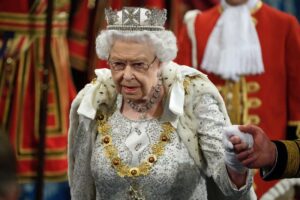
 The crowning achievement of Britain’s Queen Elizabeth, who died on Thursday after 70 years on the throne, was to maintain the popularity of the monarchy across decades of seismic political, social and cultural change that threatened to make it an anachronism.A dignified, dependable figure who reigned longer than any other British monarch, Elizabeth helped steer the institution into the modern world, stripping away court ritual and making it somewhat more open and accessible, all in the glare of an increasingly intrusive and often hostile media.While the nation she reigned over sometimes struggled to find its place in a new world order and her own family often fell foul of public expectations, the queen herself remained a symbol of stability. She also tried to transcend class barriers and earned the grudging respect of even hardened republicans.To much of the world she was the personification of Britain, yet she remained something of an enigma as an individual, never giving an interview and rarely expressing emotion or offering a personal opinion in public – a woman recognised by millions but known by hardly anyone.”I think she’s brought life, energy and passion to the job, she’s managed to modernise and evolve the monarchy like no other,” her grandson Prince William, who is now the heir to the throne, said in a television documentary in 2012.

News Today | First with the news
News Today | First with the news
