
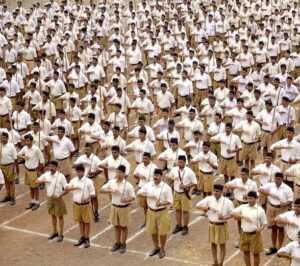
The Rashtriya Swayamsevak Sangh (RSS) has completed 100 years since its founding in 1925 in Nagpur by Dr Keshav Baliram Hedgewar. What started as a small group of members has grown into one of the largest voluntary organisations in the world, with lakhs of swayamsevaks attending daily and weekly shakhas across India.
The RSS was established to build character, instill discipline, and unite society through cultural and spiritual values. Its founders believed that strong individuals create a strong nation. Over the decades, the organisation expanded its activities to include social service, disaster relief, education, and community development.
Despite facing bans and challenges at various points in its history, the RSS has grown steadily. It has influenced Indian society through its affiliate organisations and played key roles in social and cultural movements, including the Ram Janmabhoomi movement, which led to the construction of the Ram Temple in Ayodhya.
Prime Minister Narendra Modi described the RSS as the “world’s biggest NGO” and praised its century-long service to India. He highlighted the role of swayamsevaks during times of crisis and released a commemorative stamp and coin to mark the centenary.
RSS chief Mohan Bhagwat said the organisation’s purpose has always been the service of Bharat. He emphasised that the RSS wants to be judged by its work on the ground rather than perceptions.
Leaders outside the ruling party have also acknowledged the RSS’s contributions. Senior Congress leader Dr Karan Singh congratulated the organisation and recalled personal help he received from its members. RSS general secretary Dattatreya Hosabale noted that the sacrifice of volunteers and their families has been central to the organisation’s century-long journey.
The RSS has been active in disaster relief and rehabilitation, including during floods, earthquakes, cyclones, and the COVID-19 pandemic. Its swayamsevaks are often first responders, setting up food camps, providing medical aid, and helping rebuild homes. During the pandemic, they distributed masks, food, and oxygen support across the country.
In addition to disaster relief, the RSS runs schools, hostels, and healthcare initiatives in rural and tribal areas. Its affiliates work on literacy programs, blood donation drives, environmental campaigns, and women’s empowerment projects. These grassroots efforts reflect the organisation’s belief in nation-building through service and community participation.
As it enters its next century, the RSS aims to expand its reach, strengthen social harmony, and encourage civic responsibility. Its focus remains on character building, national unity, and preserving India’s cultural heritage, while preparing the country to play a greater role globally.
Over the past century, the RSS has awakened self-awareness and confidence among many sections of society, even in remote and inaccessible areas. It has worked to preserve tribal traditions and values, with institutions like Sewa Bharati, Vidya Bharati, Ekal Vidyalayas, and Vanvasi Kalyan Ashram becoming key pillars of empowerment.
The RSS also follows its guiding principles, called the ‘Panch Parivartan’, which provide swayamsevaks with a path to face today’s challenges:
1. Sva-Bodh (Self-awareness): Encourages pride in heritage and promotes Swadeshi ideals.
2. Samajik Samrasta (Social harmony): Ensures social justice and protects the marginalised. The RSS also supports national initiatives like the High-Powered Demography Mission.
3. Kutumb Prabodhan (Family values): Strengthens the family as the foundation of culture.
4. Nagrik Shishtachar (Civic responsibility): Awakens civic sense and accountability among citizens.
5. Paryavaran (Environment): Emphasises environmental protection for future generations.
Guided by these principles, the RSS begins its journey into the next century, continuing its mission of service, nation-building, and cultural preservation.
