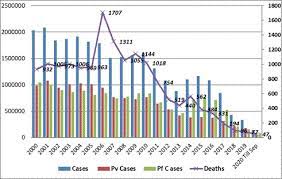
 India accounted for 66 per cent of the 5.2 million malaria cases recorded in 2022 – the highest for any country in the South East Asia region of the World Health Organization (WHO), the United Nations health agency noted November 30, 2023. This is even as cases reduced by at least 55 per cent in India, where the disease is endemic, according to World Malaria Report 2023. The report also highlighted the direct and indirect impacts climate change may have on malaria transmission and overall burden. Climate change can directly interact with the sensitivity of the malaria pathogen and the vector (female Anopheles mosquito) to temperature, rainfall and humidity, and make it easier for the contagion to spread and infect, it added.

News Today | First with the news
News Today | First with the news
